About Ochsner
Ochsner Health is the leading nonprofit healthcare provider in the Gulf South. Ochsner inspires healthier lives and stronger communities through our mission to serve, heal, lead, educate and innovate.
Ochsner completed the first cardiac ablation procedure in Gulf South region using the FARAPULSE Pulsed Field Ablation System. With state-of-the-art treatments and decades of expertise in cardiology and cardiac surgery, we focus on optimal heart health for every patient.


Over the past decade, interventional cardiologists, vascular surgeons and other clinicians have seen increasing numbers of patients at risk of losing their limbs due to peripheral vascular disease (PVD).
“We are seeing more patients presenting later in the PVD course, often with critical limb ischemia, infection or tissue loss,” said J. Stephen Jenkins, MD, FACC, FSCAI, FSVM, section head of interventional and structural cardiology and director of interventional cardiology research at the John Ochsner Heart & Vascular Institute, and associate professor of medicine at the University of Queensland Ochsner Clinical School. “Several factors are driving this trend, including rising rates of diabetes, obesity and chronic kidney disease and an aging population.”
Several of those factors are especially pronounced in Louisiana, where more than 14% of adults have diabetes and 40% have obesity, according to the American Diabetes Association.
“Socioeconomic barriers, limited access to preventive care, high smoking rates and poor glycemic control all contribute to more advanced disease at presentation,” Dr. Jenkins said. “The severity of PVD in our region is significant, and without aggressive limb salvage efforts, many of these patients would face major amputations with devastating consequences for quality of life and survival.”
The PVD threat is driving innovation in limb salvage care, and the John Ochsner Heart & Vascular Institute is at the forefront of this effort.
Dr. Jenkins is helping to lead the charge in limb sparing. He subspecialized in interventional cardiology because it required drawing on a deep well of medical knowledge and working with one’s hands to solve problems.
“Internal medicine taught me how the human body works as an integrated system,” Dr. Jenkins said. “Interventional cardiology allowed me to apply that understanding tangibly, often in moments when a patient’s life, limb, heart or brain is at immediate risk.”
For Dr. Jenkins, that urgency is also part of the appeal of his subspecialty.
“I can change the course of a deadly disease in real time by opening an artery during an acute myocardial infarction, restoring blood flow to prevent a stroke with carotid stenting or salvaging a limb that would otherwise be lost,” he said. “The immediacy and impact of this work are incredibly motivating, satisfying and have shaped my career.”
At the John Ochsner Heart & Vascular Institute, leading-edge technologies help shape a patient-centered approach to limb salvage. According to Dr. Jenkins, this approach “prioritizes limb preservation whenever feasible.”
“The most significant advances in limb salvage care have been in endovascular technology and imaging,” he said. “We now have better wires, catheters, atherectomy devices, drug-coated balloons and stents that allow us to treat complex below-the-knee and pedal disease that was previously considered untreatable.”
In addition, advances in imaging, such as intravascular ultrasound, and enhanced physiologic assessments allow Dr. Jenkins and his colleagues to perform more precise and long-lasting interventions. These advanced treatments include:
Instead of open surgery, interventional cardiologists can use an endovascular technique and an advanced percutaneous bypass system to reroute blood flow around a peripheral artery blockage.
“We use the bypass system to detour blood flow from the blocked artery, through the adjacent vein and back into the artery below the blockage point, effectively creating a bypass using the patient’s own vessels,” Dr. Jenkins said. “This capability has been a game changer for the minimally invasive treatment of long, complex blockages in the superficial femoral artery.”
The goal of limb salvage may be to preserve a specific part of the body, such as a leg. At Ochsner, though, this care extends far beyond threatened limbs. Our clinicians take a holistic approach, working together across multiple specialties and subspecialties to address the underlying causes and complications of PVD. The multidisciplinary team communicates early and often in patients’ disease courses, and they make care decisions collectively.
“Limb salvage is never just a vascular problem, and atherosclerosis is a systemic disease with many consequences in multiple vascular territories,” Dr. Jenkins said. “Successful outcomes require coordination between interventional cardiology, vascular surgery, podiatry, wound care, infectious disease, endocrinology and rehabilitation.”
This team-based approach has allowed Ochsner to reduce amputations, improve wound healing rates and enhance patients’ quality of life.
Dr. Jenkins envisions the John Ochsner Heart & Vascular Institute becoming a regional referral center for limb salvage, featuring standardized care pathways, swift access for high-risk patients and multidisciplinary treatment. Ochsner will continue to embrace innovations in care, including promising new devices, biologic therapies, drug delivery systems and regenerative therapies, among others.
Ochsner isn’t waiting for the future of limb salvage to arrive. We are helping to build it.
“Our research focuses on improving revascularization strategies, understanding predictors of limb salvage and refining patient selection,” Dr. Jenkins said. “We are interested in outcomes-based research that evaluates not just technical success, but also wound healing, functional recovery and long-term limb preservation. By contributing data and participating in clinical studies, we aim to help define best practices and advance the field in a way that directly benefits patients.”
As Ochsner works to ensure access to comprehensive limb salvage care for all Louisianans, Dr. Jenkins urges primary care physicians (PCPs) to be vigilant about PVD.
“Early referral matters,” he said. “PVD is often underrecognized, and delays can cost patients their limbs or lives. PCPs should know that we welcome early consultation and work closely with referring physicians to manage patients longitudinally.”
Learn more about our vascular and endovascular surgery program, or refer a patient.

The medical and scientific communities, not to mention the general public, are paying increasing attention to menopause and its effects on women’s health, including heart health. That is welcome news to OB/GYN Elizabeth Lapeyre, MD, medical director of the Menopause and Women’s Wellness Center at Ochsner Baptist - A Campus of Ochsner Medical Center. Dr. Lapeyre is also board-certified in integrative medicine and serves as the medical director of integrative oncology at The Gayle and Tom Benson Cancer Center.
“After delivering babies for most of my career, I became a certified menopause practitioner by The Menopause Society,” Dr. Lapeyre said. “I felt like the medical community wasn’t paying enough attention to menopause, and I was seeing more and more patients with menopause symptoms. Nationally, there just aren’t enough practitioners who know how to care for women with these symptoms. I’m one of just a few thousand Menopause Society-certified menopause practitioners, but there are four of us at the Menopause and Women’s Wellness Center. That is remarkable.”
The Menopause and Women’s Wellness Center is at the forefront of providing comprehensive, collaborative treatment and education. That is especially true for women with heart disease, in which menopause can play a significant role.
Estrogen benefits the cardiovascular system, and its decline can have a range of detrimental impacts. Low-density lipoprotein may increase, and high-density lipoprotein may decrease. Abdominal fat may expand. Blood pressure may rise. These factors contribute to an increased risk of heart disease, stroke and diabetes after menopause.
“Early menopause poses an even bigger risk for cardiovascular disease,” Dr. Lapeyre said. “Reaching menopause at, say, age 40 or 45 instead of in one’s early 50s means losing even more years of estrogen and its cardiovascular benefits. Plus, we know women are less likely than men to be treated for high cholesterol or to be offered a statin, and they’re also more likely to decline a statin. These factors complicate the effort to treat women with heart disease who are also experiencing menopause.”
Managing the metabolic changes that accompany menopause early on may help mitigate some of the cardiovascular risks associated with it. Dr. Lapeyre urges women and their referring medical providers to seek help from the Menopause and Women’s Wellness Center, not just for well-known menopause signs, such as hot flashes and night sweats, but also for less familiar symptoms. These include brain fog, joint pain and changes in sleep patterns.
Clinicians at the Menopause and Women’s Wellness Center conduct a comprehensive assessment of patients’ symptoms, family history, cardiovascular health and pregnancy history. Previous pregnancy complications, such as preeclampsia, gestational diabetes and gestational hypertension, can increase the risk of heart disease later in life, a fact of which many patients are unaware.
The center’s team creates an individualized plan to help patients manage their symptoms, starting with recommendations for nutrition, exercise, sleep and stress management. The menopause clinicians refer patients to and partner closely with cardiologists, neurologists, endocrinologists, oncologists and other specialists.
“Our menopause clinicians discuss hormone replacement therapy [HRT] with women who are candidates for it,” Dr. Lapeyre said. “Others may have health factors, such as a history of breast cancer, that make HRT a poor choice for them, but we have nonhormonal medications we can offer. We also offer acupuncture, which has been shown to help with hot flashes, night sweats, joint pain and poor sleep. We evaluate our patients holistically so they can thrive and not decline. Women live longer than men, but they often live longer in a poor state of health. That is not what we want for our patients.”
Dr. Lapeyre applauds the Food and Drug Administration’s recent decision to remove broad black box warnings from HRT products, believing it will lead more physicians to consider whether the treatments are suitable for their patients. Removing the labels reflects experts’ consensus that the symptom-mitigating benefits of HRT can outweigh the potential risks, such as a higher stroke risk, for many patients.
“I still see patients who tell me their doctor said it’s never safe to take hormones, which is incorrect,” Dr. Lapeyre said. “Removing the warning labels presents an opportunity for more clinicians to understand that HRT is not unsafe, and that every woman needs to have her own risk assessment if she’s considering these products.”
Now that menopause finds itself increasingly in the spotlight, Dr. Lapeyre plans to keep the momentum going. Collaboration with other specialists throughout the Ochsner system will be key to that effort. For example, Dr. Lapeyre plans to partner with non-invasive general cardiologist Dominique Williams, MD, on initiatives focused on cardiovascular disease, leveraging their combined expertise to educate women and enhance their wellness. Dr. Lapeyre is also exploring establishing shared medical visits for patients—group consultation and education sessions where women can learn about menopause’s wide-ranging health effects.
“We hope to bring women together in a group setting to discuss how menopause affects things like cardiovascular, bone and brain health,” Dr. Lapeyre said. “These sessions would also include one-on-one interactions with a provider and would serve as an opportunity for women to support each other.”
Increasing access to menopause care is another significant area of focus. Dr. Lapeyre, who is licensed in every state along the Gulf Coast from Texas to Florida, plans to build on the Menopause and Women’s Wellness Center’s burgeoning use of virtual visits.
“Many women across rural Louisiana, Mississippi and Alabama don’t have access to a center like ours, but I can see them virtually,” she said. “They shouldn’t have to drive hours to find menopause care.”
Learn more about our comprehensive menopause and women’s wellness services, or refer a patient.
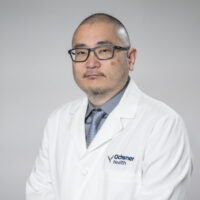
In May 2025, vascular surgeon Dean Yamaguchi, MD, director of the Ochsner Aortic Center at Ochsner Medical Center - New Orleans, joined the health system with a clear mission: to enhance the Ochsner Aortic Center’s ability to deliver leading-edge endovascular therapy.
This assignment carries added urgency at a time when patients with vascular disease increasingly seek care later in their disease processes, delays largely driven by social determinants of health, according to Dr. Yamaguchi. He calls barriers to timely vascular disease care a “national challenge.” Under his leadership, the Ochsner Aortic Center is well-positioned to provide the latest treatment innovations to generations of patients.
Dr. Yamaguchi credits his vascular surgery fellowship at the University of Alabama at Birmingham with sparking his interest in complex aortic disease. He calls the time he spent there under the tutelage of renowned vascular surgeon William D. Jordan Jr., MD, some of his “best years of clinical work.”
"Dr. Jordan was at the forefront of the field, pushing the envelope, trying to do things from an endovascular perspective, but ensuring we, as trainees, also developed open surgical experience,” Dr. Yamaguchi said. “He provided us just enough autonomy to be confident as surgeons, but also the ability to fall back on him and his faculty to help us through tough cases.”
The Ochsner Aortic Center exemplifies the shift in vascular surgery from open operations to endovascular procedures, which expedite recovery and reduce the risk of morbidity and mortality.
Dr. Yamaguchi specializes in performing minimally invasive complex aortic repairs using stent grafts, particularly physician-modified endografts (PMEGs). Dr. Yamaguchi likens these specialized stents to custom cars because physicians can customize them based on a preoperative CT scan to fit the patient’s anatomy, increasing the durability and safety of the repair.
“I can take off-the-shelf stent grafts used for standard aortic repairs and customize them with fenestrations, or holes, cut out for specific arterial branches, such as kidney or intestinal arteries, to preserve blood flow,” Dr. Yamaguchi said. “This allows us to fix aneurysms and aortic dissections with stent grafts without compromising blood flow to these important visceral arteries.”
Dr. Yamaguchi can modify stent grafts both outside and inside the body. For example, he can place stents across the arteries and burn holes in them to maintain blood flow. This procedure, known as laser fenestration, can be performed from the aortic arch to the abdominal aorta. Performing endograft operations on a large scale at Ochsner prevents patients from Louisiana and Mississippi from having to seek care in Houston or Birmingham.
Postoperative care, too, has advanced rapidly.
“When we perform large aneurysm repairs that span the chest into the abdomen, there’s a risk of spinal cord ischemia,” Dr. Yamaguchi said. “We have protocols in place to help manage those patients postoperatively so we can reduce their risk of paralysis or weakness in the legs. In general, patients to whom we would never have offered these sorts of repairs because of their age or comorbidities now have the option of a less invasive way of fixing complex aortic problems.”
Dr. Yamaguchi believes this underscores how his field has advanced since he was in training. Patients who, in the past, would only have been candidates for palliation can now receive definitive treatment.
Sometimes, ensuring each patient receives the optimal procedure requires blending open and endovascular approaches. For example, if a patient has an aneurysm in their aortic arch, Dr. Yamaguchi can perform a short bypass procedure between the carotid arteries and put in an off-the-shelf branch stent to repair the bulge.
In another example of a hybrid open/endovascular approach, Dr. Yamaguchi treated a patient with Marfan syndrome and an aortic dissection with a two-stage operation.
“The standard of care is an open, emergent surgery, which carries a higher risk of complications,” Dr. Yamaguchi said. “We ended up performing a repair in stages. We stabilized the patient in the acute phase with a stent graft in the chest. Then, we brought the patient back electively to repair the remainder of the dissection in his abdomen with open surgery. The patient recovered well and is doing great.”
According to Dr. Yamaguchi, stent grafts in patients with Marfan syndrome typically have poor durability. However, by combining the stent graft with open surgery, the vascular surgery team increased the repair’s durability by fixing the bottom of the aorta with the more invasive operation.
Dr. Yamaguchi’s unwavering transparency in the shared decision-making process complements his clinical and technical expertise. His straightforward approach to patient interactions earned him consistently high satisfaction ratings and contributed to a perfect score of 100 in Medicare’s Merit-based Incentive Payment System. He credits transparency, honesty and doing his job to the best of his ability as the essential ingredients to his success.
“I always have the difficult conversations with patients before surgery,” Dr. Yamaguchi said. “I explain the risks and benefits to them just as I would to my parents or sisters. Transparency is key.”
As the Ochsner Aortic Center continues to enhance its capabilities, Dr. Yamaguchi sees cross-specialty collaboration as a key to its future. The center’s vascular surgeons hold monthly preoperative conferences with their cardiac surgery colleagues to plan the best paths forward for patients.
Soon, Dr. Yamaguchi and colleagues will have a state-of-the-art space for performing procedures.
“We’re developing a hybrid operating room with advanced technology to expand our endovascular surgery profile further,” he said. “We’ll be able to treat patients with less radiation and contrast, making the procedures safer for them. As a center, we’re getting to where we want to be.”
Learn more about what makes Ochsner’s vascular and endovascular surgery services exceptional, or refer a patient.
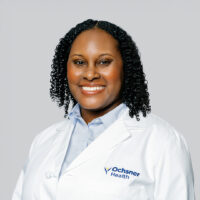
Women face numerous disparities in cardiovascular disease diagnosis and treatment relative to men, including delayed symptom detection and a tendency to receive less aggressive initial therapy. Dominique Williams, MD, a noninvasive general cardiologist at Ochsner Medical Center - New Orleans, has made reducing these differences in care her life’s work. That task takes on extra urgency in Louisiana, which ranks 43rd in the U.S. in cardiovascular disease diagnosis rate, according to the state Department of Health.
“Disparities in treatment can lead to poor outcomes, and studies have shown that women often do worse with cardiovascular disease than men,” Dr. Williams said. “One of my primary roles is to not only take care of women with heart disease, but also to raise awareness and educate other physicians on how to identify women at high risk. Once we pinpoint these patients, we need to be just as aggressive in treating them as we would be with men, and that includes treatment of pregnant and postpartum women.”
Women often have atypical and subtle heart attack symptoms, such as fatigue and nausea, a fact well-documented in medical literature. In addition, though, Dr. Williams finds that women tend to downplay or misattribute their symptoms, further complicating the diagnostic process. Women’s unique life factors, particularly pregnancy, add another layer of complexity.
“Cardiovascular disease can be even more difficult to diagnose in younger women because they often don’t have classic risk factors,” Dr. Williams said. “On the whole, we as clinicians don’t do a good enough job of taking women’s obstetric history and factoring conditions like preeclampsia into our evaluations. As a result, we can miss opportunities for accurate diagnosis and effective treatment.”
Dr. Williams stresses the importance of obtaining a thorough obstetric history because preeclampsia can significantly increase a woman’s heart disease risk. She recommends robust management of blood pressure and cholesterol for any woman with a history of preeclampsia, even if she is young and otherwise healthy.
Heart failure and arrhythmias account for most of the cardiovascular complications Dr. Williams sees in pregnant and postpartum women. Patients typically seek care sooner for arrhythmias because the symptoms are more easily recognizable.
“Heart failure can be more difficult to diagnose because its symptoms, such as shortness of breath and leg swelling, overlap with those of pregnancy,” Dr. Williams said. “Clinicians often miss heart failure in the later stages of pregnancy and early postpartum period, leading to later diagnoses and, often, more severe illness.”
Dr. Williams believes some clinicians’ hesitation to prescribe medical therapy to pregnant and postpartum women contributes to cardiovascular disease’s status as a leading cause of mortality in the first year after giving birth. Effective medical therapies are available, but a relative paucity of data on their use in pregnant and postpartum women (and women in general) may dissuade some clinicians from prescribing them.
At the Ochsner Women’s Cardiovascular Clinic, part of the John Ochsner Heart & Vascular Institute, Dr. Williams uses advanced imaging tools to help guide treatment for some women with high cardiovascular disease risk. One example is the coronary artery calcium test, which Dr. Williams believes can, in some cases, better capture patients’ risk than other tools, such as the atherosclerotic cardiovascular disease score.
“I’ll get a CAC score for risk stratification in a woman who has nontraditional risk factors, like preeclampsia, and for whom we’re trying to determine whether we should be more aggressive in treating her for heart disease,” Dr. Williams said. “For example, we may discuss whether a statin would be appropriate even if her cholesterol is fairly well-controlled.”
According to Dr. Williams, women with unconventional risk factors are also good candidates for a cardiac PET stress test, even in the absence of obstructive coronary disease. That is because many of these women have microvascular dysfunction that can contribute to symptoms, and treating them can lower their cardiovascular disease mortality risk.
Intra- and interdisciplinary collaboration helps define women’s cardiovascular disease care at Ochsner. Dr. Williams and fellow cardiologist Salima Qamruddin, MD, have partnered on research investigating the use of artificial intelligence in electrocardiography screening devices, such as smartwatches, to detect asymptomatic heart disease in women. These tools could help detect ventricular dysfunction or valvular heart disease early.
Recognizing that lifestyle changes play a critical role in heart disease prevention, Dr. Williams leverages the extensive expertise and resources throughout the Ochsner system, from a comprehensive weight loss program to Ochsner Digital Medicine for managing cardiometabolic conditions, to help patients improve their health. She also collaborates with experts in the Menopause and Women’s Wellness Center and cardio-oncology program to ensure women receive the specialized care they need at every stage of life.
Dr. Williams foresees the field of women’s cardiovascular care continuing to grow as more researchers devote themselves to studying sex and gender disparities and more women enroll in clinical trials. Ochsner will have a key role in shaping a future of greater parity in heart disease treatment.
“I envision Ochsner being a leading center in our region for holistic women’s care, where we look at menopause, pregnancy and everything else women go through, and optimize their cardiovascular health at each point,” Dr. Williams said. “I see us continuing to be involved in research in this area, including how we can use AI to drive earlier diagnoses so we can start treatments sooner. That’s where we’re headed, and we’re on the right path.”
Find more information about women’s cardiovascular care at Ochsner, or refer a patient.