Living Donor Kidney Program

The Ochsner Health Living Donor Kidney Program

The Ochsner Transplant Institute offers a comprehensive living donor kidney program in New Orleans, Louisiana, providing patients with a faster and highly successful path to kidney transplantation. While many people wait months or even years for a deceased‑donor kidney, a transplant from a living donor can significantly shorten that wait and lead to excellent long‑term outcomes.

Most people are born with two kidneys and can live a healthy life with just one. A living donor may be a family member, friend, coworker, or even someone you’ve never met, and at Ochsner, about 30% of kidney transplant patients receive a kidney from a living donor.

If you’re interested in becoming a living kidney donor, start by completing our Living Kidney Donor Questionnaire  or email our team KidneyLivingDonor@ochsner.org.

Shorter wait times

When you have a living kidney donation, you do not have to be on a waiting list for transplant surgery. In most cases, the sooner you have your transplant, the better your health. The shorter wait time also allows for kidney transplants before the recipient even needs to go on dialysis.

Health information

If you become a living kidney recipient, we’ll know more about the past and present health of the donor’s kidney than we might about a kidney from a deceased donor. A kidney from a living donor usually works better in the long term than a kidney from a deceased donor.

More time to plan

With a living donor kidney transplant, patients and their physicians have more time to plan. This means the patient’s transplant can be done when both the donor and recipient are in the best health possible.

The decision to donate a kidney must be a voluntary one, made willingly. It’s important to be as informed as possible if you’re considering becoming a living kidney donor. You can change your mind at any point during the process.

Living kidney donation is safe, and there are no long-term health effects. If you donate a kidney, your longevity of life will not be affected, and you will be at no greater risk for kidney failure than the average person.

You can donate if:

  • You are at least 18 years old
  • You are in overall good health

You cannot donate if you:

  • Are pregnant
  • Are severely overweight (BMI over 33)
  • Presently have cancer or an active infection
  • Use illegal drugs or abuse drugs

You may be able to donate if you have:

  • A history of cancer
  • Diabetes
  • High blood pressure that is well controlled
  • Kidney stones

The first step in becoming a living kidney donor is completing our online health questionnaire. This helps our team understand your medical history and determine whether donation may be safe for you.

Initial review and screening

One the questionnaire is submitted, an Ochsner living donor coordinator will review your information. If you appear to be a potential candidate, our donor advocate will contact you to discuss next steps and arrange the necessary testing to:

  1. Confirm whether you are a match for your intended recipient
  2. Ensure you are healthy enough to donate

If you live outside of New Orleans, many blood tests and presurgical evaluations can be completed in your hometown. Non‑directed donors, those donating to someone they do not know, follow the same medical screening to ensure donation is safe.

Education and donor planning

After your testing, you will meet with our team of social workers, transplant surgeons and donor advocates. During this visit you will receive education about the donation process and review your personalized donor plan.

Surgery and recovery

The living kidney transplant surgery is performed at Ochsner Medical Center - New Orleans using our da Vinci Surgical System, a robotic surgery system that assists your transplant team during the two- to four-hour procedure. Because this approach is minimally invasive, donors typically experience:

  1. Less pain
  2. A shorter hospital stay
  3. Faster recovery

Most donors stay in the hospital for approximately 24 hours and can return to most regular activities within one month.

For more detailed information about becoming a living donor and the donation process, please download our education handbook. If you have questions at any time, you can contact our living donor team at KidneyLivingDonor@ochsner.org.

If you are not a match for your intended recipient, Ochsner offers the kidney paired exchange program.

During a paired exchange, which is a national kidney swap program, your evaluation and surgery are still done at Ochsner. You will offer your kidney to someone in the country waiting for a kidney transplant. In return, the person you tried to donate a kidney to gets a kidney that matches them.

Your kidney is sent to the transplant center where the person getting your kidney is being transplanted, and a kidney that matches your family member or friend is shipped to Ochsner for their transplant.

Reflecting on the support she received from the Ochsner transplant team, Amber M. said, “They were amazing!  Each person, in every discipline that I met, not only preop, but post op also.  They were caring, informative, truly loved doing their jobs.   Every phone call or email was answered quickly.” - Amber M., living kidney donor.

“The team was so knowledgeable and supportive. With their guidance, a smooth recovery followed and in just six weeks I was back to living life as normal." - Voncelle Z., living kidney transplant recipient through the National Kidney Paired Donation Program.

FAQs

Kidney transplant surgery is performed at no cost to the living donor. The kidney recipient’s health insurance covers all costs associated with testing, surgery, the hospital stay and medical visits for the first month after surgery.

People can be on the United Network for Organ Sharing waiting list for a deceased donor kidney for years, often as many as three to five years. If a compatible living kidney donor can be found, the waiting process can be cut significantly. The transplant surgery is scheduled after your living donor has completed a full workup, which can still take up to six months.

While there is no set weight for donating a kidney, you will likely be unable to donate if your BMI is over 33.

There are several advantages to getting living donor kidneys over deceased donor kidneys. The benefits include shorter wait times, immediate kidney function and the ability to preplan or schedule your surgery.

Read more healthy living and lifestyle tips.

Get tips in your inbox.

Sign up for our free newsletters to get the best of our healthy living tips delivered straight to your inbox.

Map of Ochsner-affiliated facilities that provide services related to Kidney and Kidney-Pancreas Transplants

Kidney and Kidney-Pancreas Transplants Locations

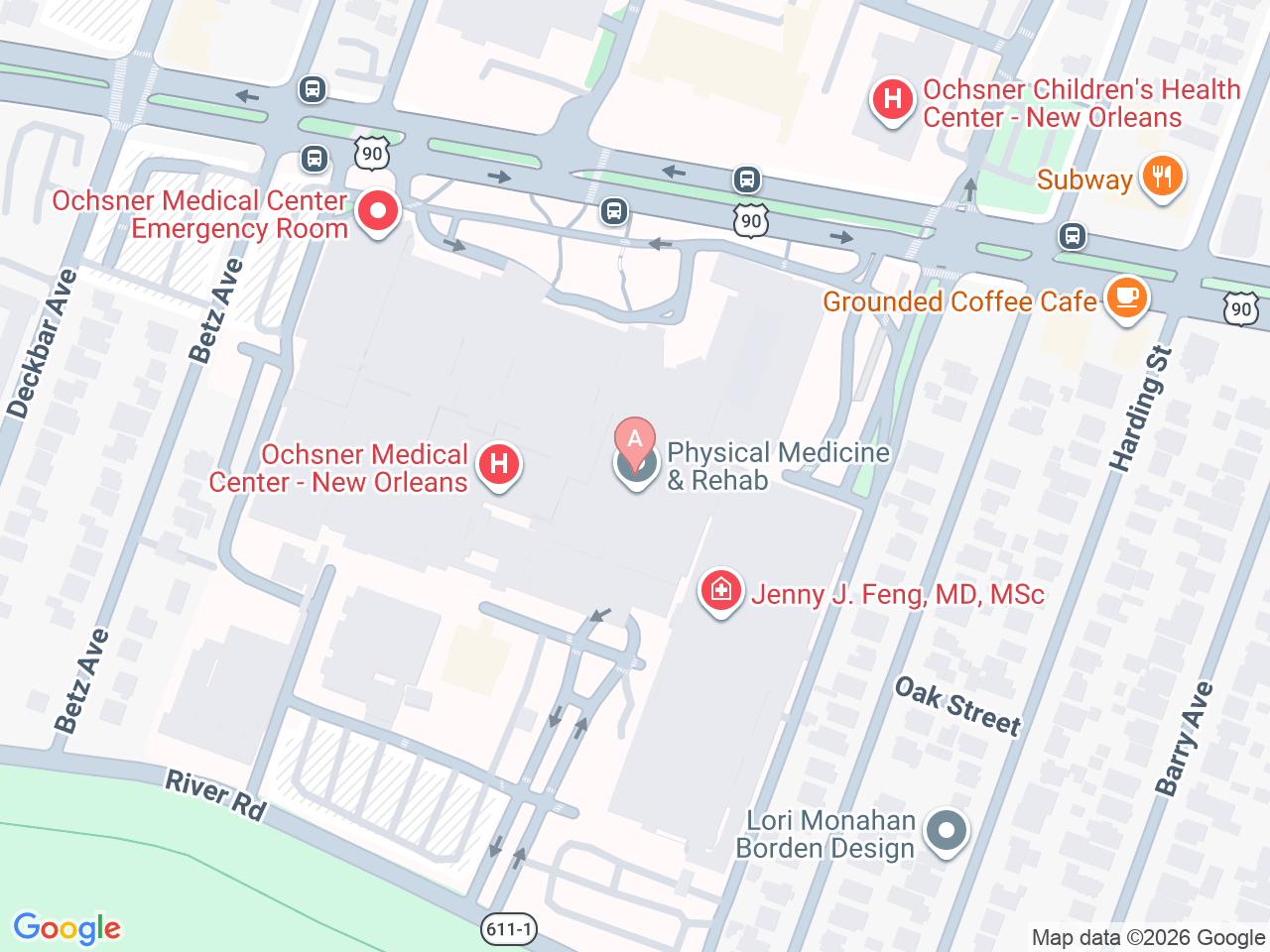
Ochsner Medical Center - New Orleans

1514 Jefferson Highway
Jefferson, LA 70121
  • Open 24/7