Valve and Structural Heart Disease (TAVR)

Older couple walking outdoors

Every year, more than five million people in America are diagnosed with heart valve disease and structural heart disease. Here in the Gulf South, many of those patients seek care at the Heart Valve Center at the John Ochsner Heart and Vascular Institute (JOHVI). Our award-winning, nationally ranked team has the talent, experience and innovative equipment required to treat patients with complex native heart valve disease, artificial valvular heart disease and structural heart disease. This includes patients with high-risk mitral valve disorders and end-stage aortic stenosis.

Why Heart Valve Disease Treatment at Ochsner?

The team at the Ochsner Heart Valve Center routinely performs a high volume of both traditional and minimally invasive procedures, including transcatheter aortic valve replacements (TAVR). Across the country and here at Ochsner, this procedure is extending the lives of more and more intermediate and high-risk patients who aren’t candidates for open-heart surgery. Since the program’s inception, Ochsner has performed more than 2,000 TAVR cases and has been recognized for having one of the shortest lengths of stays in the nation for TAVR patients.

When it comes to matters of the heart, you want experience on your side. You want the Ochsner Heart Valve team at your bedside.

Award-Winning Care

  • Atrial septal defect (ASD)
  • Aortic stenosis and regurgitation
  • Aortic aneurysm
  • Aortic insufficiency: A condition where the aortic valve doesn’t close properly, causing blood to leak backward into the heart 
  • Aortic valvular disease, including aortic stenosis: Problems with the aortic valve, such as narrowing (stenosis) or leaking, that affect blood flow
  • Bicuspid aortic valve: A condition where the aortic valve has only two flaps instead of the normal three, which can lead to valve problems 
  • Complex combined coronary artery and valvular heart disease
  • Failing artificial heart valves
  • Mitral valve prolapse
  • Mitral stenosis and regurgitation
  • Pulmonary stenosis and regurgitation
  • Tricuspid stenosis and regurgitation

  • Aortic valve replacement (TAVR) non-surgical: Minimally invasive procedure to replace a damaged aortic valve without open-heart surgery
  • Aortic valve surgical repair 
  • Aortic valve replacement
  • Aortic root replacement (Bentall procedure): Surgery to replace the aortic root and valve, often with a synthetic graft 
  • Atrial appendage occlusion (Watchman, Amplatzer Amulet and Lariat devices)
  • Balloon mitral valvuloplasty
  • Non-Surgical atrial septal defect (ASD) and patent foramen ovale (PFO) closure
  • Non-surgical mitral valve repair (Mitra-clip)
  • Percutaneous ventricular septal defect repair
  • Pulmonary valvuloplasty
  • Paravalvular leak closure
  • Surgical maze procedure
  • Surgical mitral valve repair and replacement
  • Surgical pulmonary valve repair and replacement
  • Transcatheter mitral valve replacement
  • Transcatheter pulmonary valve replacement
  • Valve sparing aortic root replacement (David procedure): Surgery to repair the aortic root while preserving the patient’s natural aortic valve. 

  • Cardiac catheterization and stenting
  • Cardiac magnetic resonance imaging (Cardiac MRI) – a state-of-the-art, radiation-free test that lets our doctors see inside your body without having to perform surgery.
  • Cardiac CTA (coronary computed tomography angiography, non-invasive angiograms)
  • Intra-cardiac ultrasound

The heart has four valves: the tricuspid, pulmonary, mitral and aortic.

Heart valves can have three basic problems:

  1. Regurgitation (or backflow): Occurs when a valve doesn't close tightly. Blood leaks back into the chambers when it should flow forward through the heart or into an artery. This happens most often as a result of prolapse. Prolapse is when the flaps of the valve flop or bulge back into an upper heart chamber during a heartbeat.
  2. Stenosis: Occurs if the flaps of a valve thicken, stiffen or fuse together, preventing the valve from fully opening and allowing enough blood to flow through.
  3. Atresia: Occurs when a valve lacks an opening, making it impossible for blood to pass through.

Read more healthy living and lifestyle tips.

Get tips in your inbox.

Sign up for our free newsletters to get the best of our healthy living tips delivered straight to your inbox.

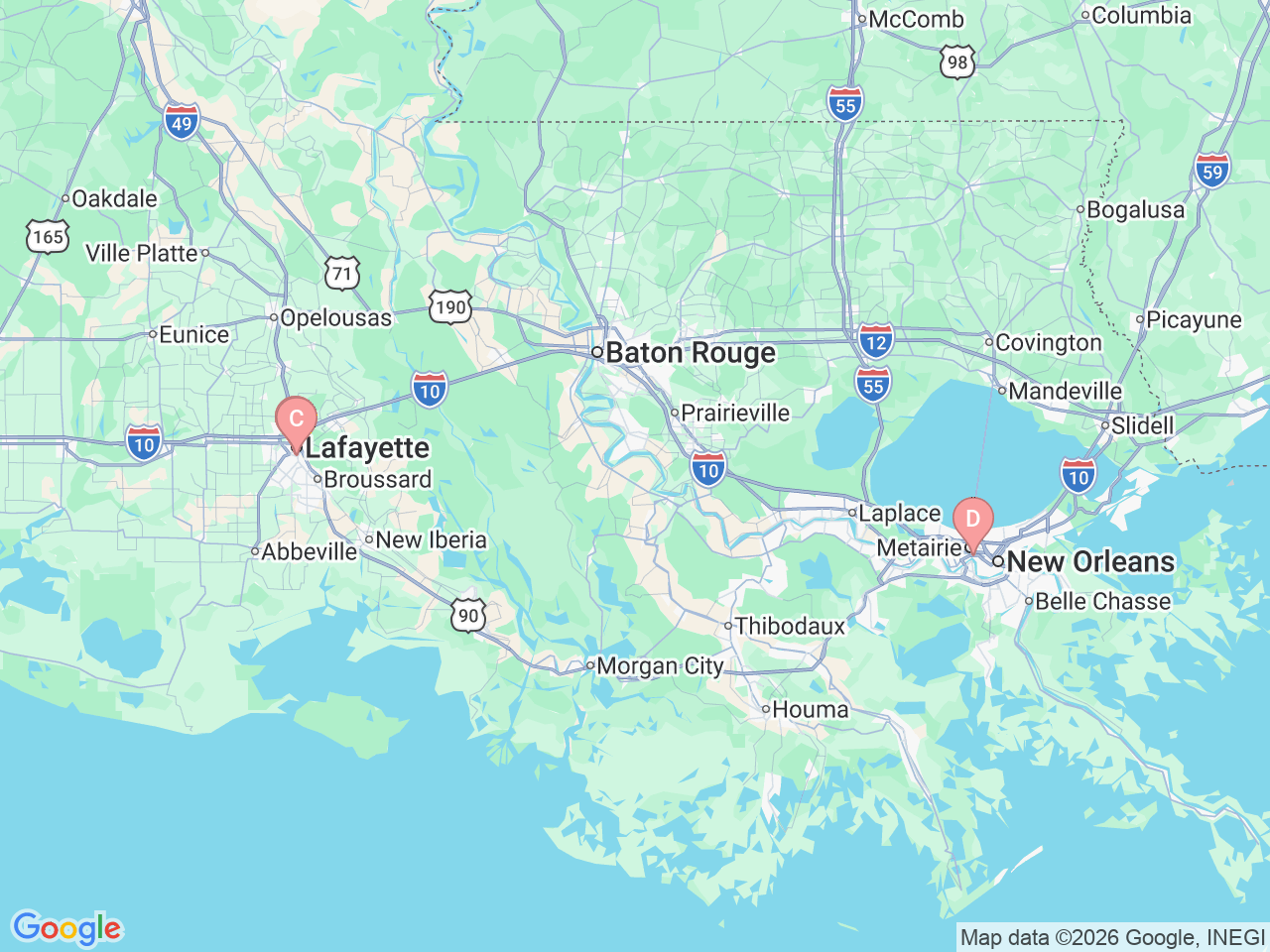
Map of Ochsner-affiliated facilities that provide services related to Valve and Structural Heart Disease (TAVR)

Valve and Structural Heart Disease (TAVR) Locations

Ochsner Lafayette General - Professional Office Building

155 Hospital Drive
Lafayette, LA 70503
  • Heart & Vascular Center: Monday – Thursday: 8 a.m.-5 p.m.
  • Heart & Vascular Center: Friday: 8 a.m.-noon
  • Radiation Oncology: Monday – Friday: 7 a.m.-4:30 p.m.

Heart & Vascular Center of Acadiana

155 Hospital Drive
Lafayette, LA 70503
  • Monday–Thursday: 8 a.m.-5 p.m.
  • Friday: 8 a.m.-noon

Ochsner Lafayette General Medical Center

1214 Coolidge St.
Lafayette, LA 70503
  • Open 24/7

Ochsner Medical Center - New Orleans

1514 Jefferson Highway
Jefferson, LA 70121
  • Open 24/7