Uterine Fibroids

Two women talking on couch

Why choose Ochsner Health for your uterine fibroid care?

Ochsner Health offers care and treatment for uterine fibroids in New Orleans, Kenner, Baton Rouge, Lafayette, Jennings and Crowley, Louisiana and in Meridian, Mississippi. 

Uterine fibroids are very common, affecting up to 80% of women at some point in their lives. While some women don’t have symptoms, others may notice changes like pain or challenges with fertility. At Ochsner, our women’s health team provides expert, compassionate care for those with uterine fibroids. 

Uterine fibroids are types of tumors that grow in the wall of the uterus and are almost always benign. They are sometimes called leiomyomas or myomas. They range in size from the size of a seed to as large as a grapefruit and can cause a wide range of issues. Symptoms of fibroids may include:

  • Anemia from heavy blood loss during menstruation
  • Back pain
  • Bleeding between periods
  • Bloating
  • Complications during pregnancy, including miscarriage
  • Fertility problems
  • Frequent urination
  • Gastrointestinal problems such as constipation
  • Heavy bleeding during your period
  • Pain during sex

Ochsner gynecologists specialize in advanced care for fibroids. Because there is no known cause of or cure for fibroids, we know how important it is to ensure women have a range of evidence-based and proven treatment options. For those who hope to have children, we provide uterus-sparing procedures that preserve fertility. For women who are finished growing their families, we offer several types of hysterectomy surgeries to remove the uterus. Our team also partners with interventional radiologists on advanced treatment options and has helped lead clinical trials for new medications to manage fibroids.

Uterine fibroids are most common in women of reproductive age, especially between ages 30 and 50. Risk factors include a family history of fibroids, being overweight and eating a diet heavy in red meat.

Fibroids are often found during a routine pelvic exam. Imaging, such as a focused ultrasound, MRI or CT scan, may be needed for your provider to see exactly how many fibroids you have and how large they are.

Fibroids can have overlapping symptoms with other common gynecological problems, including:

  • Adenomyosis: A condition in which the lining of the uterus (the endometrium) grows into the uterine wall itself, often causing pain and heavy menstrual bleeding
  • Endometriosis: A condition in which tissue similar to endometrial tissue grows outside the uterus, often causing severe pelvic pain and infertility
  • Uterine (endometrial) cancer

Ochsner gynecologists are experts at diagnosing and treating the exact cause of your symptoms. We know severe menstrual pain isn’t normal and we are ready to guide you toward the treatment that is best for you. 

There are surgical and nonsurgical treatments for uterine fibroids. Some treatments can control heavy menstrual cycles while others can control symptoms related to the size of the fibroids. Medications may include:

  • Gonadotropin-releasing hormone (GnRH) antagonists with add-back therapy. These two medications work together to decrease your estrogen and progesterone production.
  • GnRH agonists, which are used before surgery to help shrink the size of fibroids
  • Hormonal birth control pills
  • Intrauterine devices, or IUDs, that release hormones
  • Iron supplements to manage anemia
  • Tranexamic acid, a hormone-free medication that can lessen bleeding

Surgical treatments for uterine fibroids can offer more relief for severe symptoms. Some surgeries preserve the uterus so women can have children in the future, and others remove the uterus entirely. Surgical treatments include:

  • Endometrial ablation: A procedure that destroys the lining of the uterus (the endometrium). Most women have no more menstrual bleeding after the procedure, but you also cannot have children after this.
  • Hysterectomy: A surgery that removes the uterus. The cervix and ovaries may also be removed during a hysterectomy. A hysterectomy can be performed vaginally, laparoscopically, robotically or abdominally (open).
  • Myomectomy: A procedure to remove the fibroids while saving the uterus. This procedure can be hysteroscopic, robotic or laparoscopic or an open abdominal surgery.
  • Radiofrequency ablation (RFA): A minimally invasive procedure that burns fibroids, causing them to shrink.
  • Uterine artery embolization, also called uterine fibroid embolization: During this procedure, interventional radiologists inject small particles into the arteries that supply blood to the fibroids. The particles block this blood supply, causing fibroids to shrink. 

FAQs

While hysterectomy is the only treatment that ensures you will never develop fibroids again, it may not be the best treatment for you. If you want to have children in the future, you cannot have a hysterectomy. Other women may find less invasive treatments help to manage their fibroids without surgery.

Many women with fibroids can and do get pregnant. But some fibroids are so large that getting or staying pregnant is challenging. Uterine-sparing fibroid removal, such as myomectomy, offers the best chance for these women to become pregnant. While there are other uterine-sparing fibroid treatments, the data on successful pregnancies after them is incomplete, so they are not recommended for women who still wish to have children.

If you choose not to pursue treatment for your fibroids, a range of things could happen. Your fibroids could continue to grow, making your symptoms worse. Or your fibroids could stay about the same. Eventually, as women enter menopause, most fibroids will shrink or stop growing. However, fibroids will not turn cancerous if they are left alone. Fewer than 1 in 100,000 women have the cancerous type of fibroids. Additionally, having fibroids does not raise your chances of developing other types of uterine or other gynecological cancers.

Read more healthy living and lifestyle tips.

Get tips in your inbox.

Sign up for our free newsletters to get the best of our healthy living tips delivered straight to your inbox.

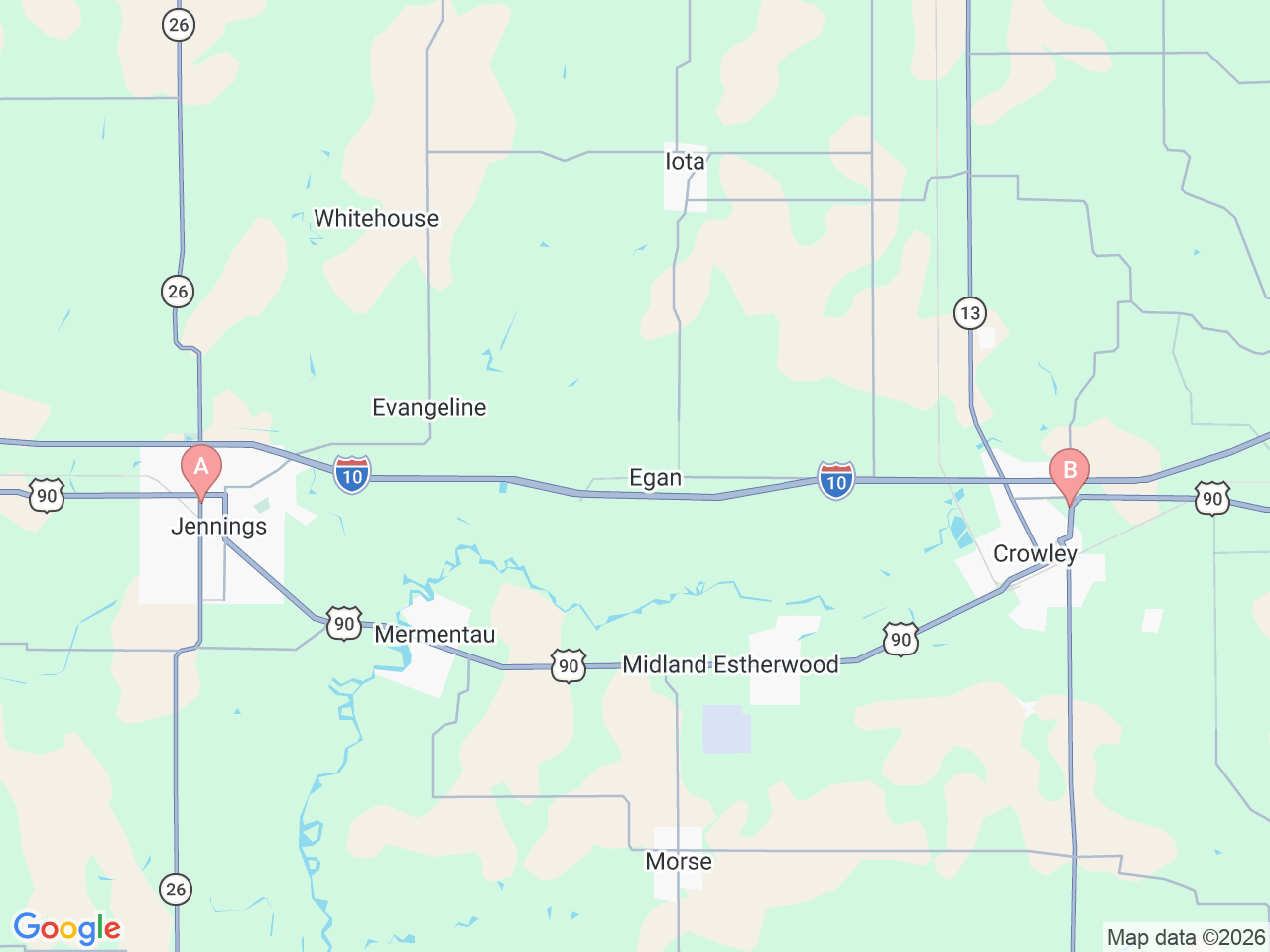
Map of Ochsner-affiliated facilities that provide services related to Uterine Fibroids

Uterine Fibroids Locations

Ochsner American Legion Hospital
1634 Elton Road
Jennings, LA 70546
  • Open 24/7
Ochsner Acadia General Hospital
1305 Crowley Rayne Highway
Crowley, LA 70526
  • Open 24/7